What Is Lead?
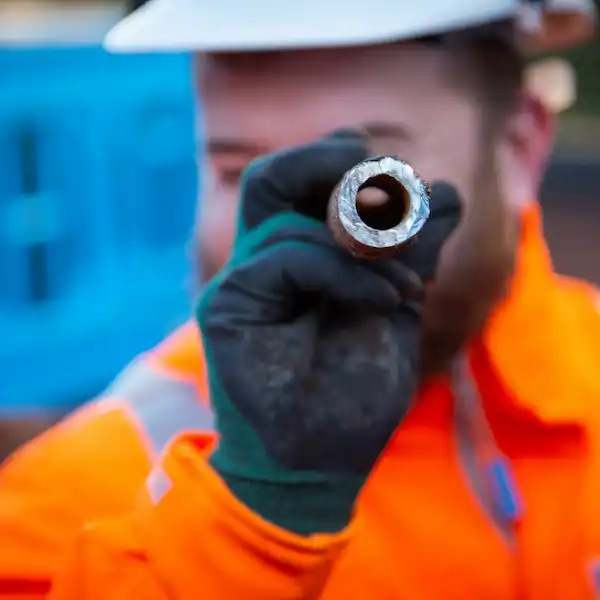
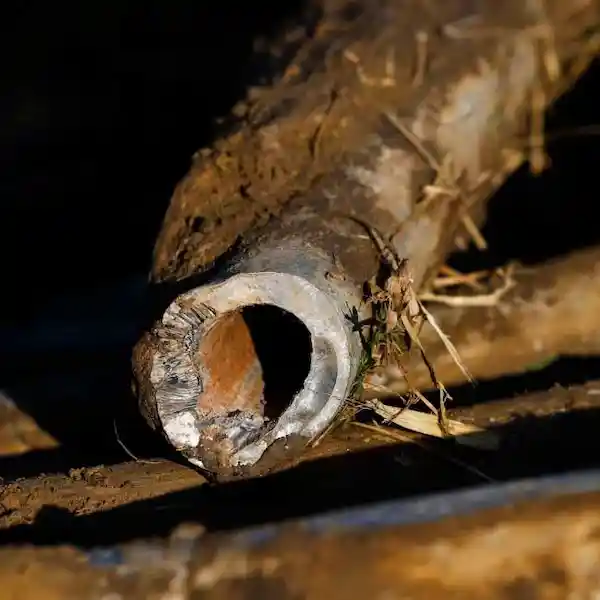
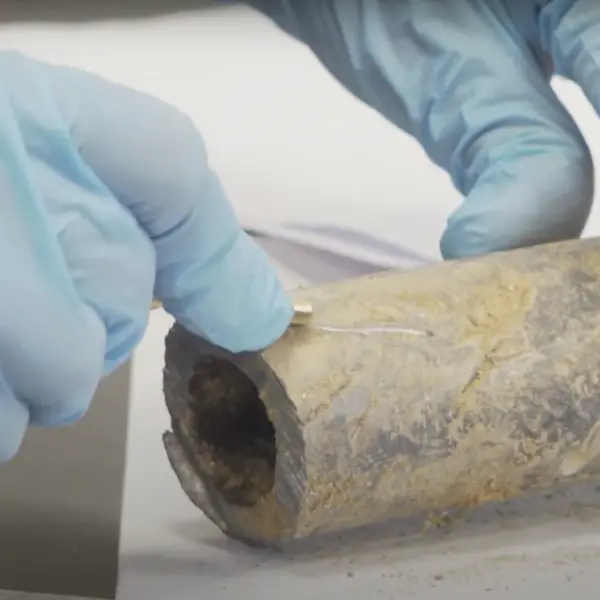
Lead is a poisonous heavy metal that has been used in plumbing systems since Roman times. The term plumbing itself originates from the Latin word plumbum, meaning lead. For centuries, lead pipe was widely used because it was flexible, durable, and easy to shape, making it a popular choice for internal plumbing and for the pipe connecting properties to the public water supply.
Despite its historical use, lead is highly toxic. Even small quantities consumed over time can be harmful. Unborn babies and children under six are particularly vulnerable, as their brains and nervous systems are still developing.
Health authorities, including the World Health Organization, state that there is no safe level of lead exposure. In children, lead exposure is associated with impaired brain development, behavioural problems, and reduced cognitive ability. During pregnancy, lead can cross the placenta and affect the developing baby. In adults, long-term exposure has been linked to kidney damage, raised blood pressure, and other chronic health conditions.
Why Is Lead in Drinking Water a Serious Issue?
Although lead pipes are no longer installed in modern properties, many remain within England's older housing stock—particularly in homes built before the 1970s. As long as these pipes remain in place, the risk of lead entering drinking water continues, especially in households with children or pregnant women.
Until all legacy lead pipe is removed, lead will remain a public health concern. The only way to be certain your drinking water is free from lead is through testing and, where necessary, replacing the source.
Lead exposure does not require large quantities to cause harm. When small amounts are consumed regularly, lead accumulates in the body over time, increasing health risks.
Disturbance to lead pipes—such as roadworks, construction activity, or home renovations—can temporarily raise lead levels in tap water by loosening deposits inside the pipe. If work has taken place nearby, it is advisable to run the cold tap for around ten minutes to flush through any affected water.
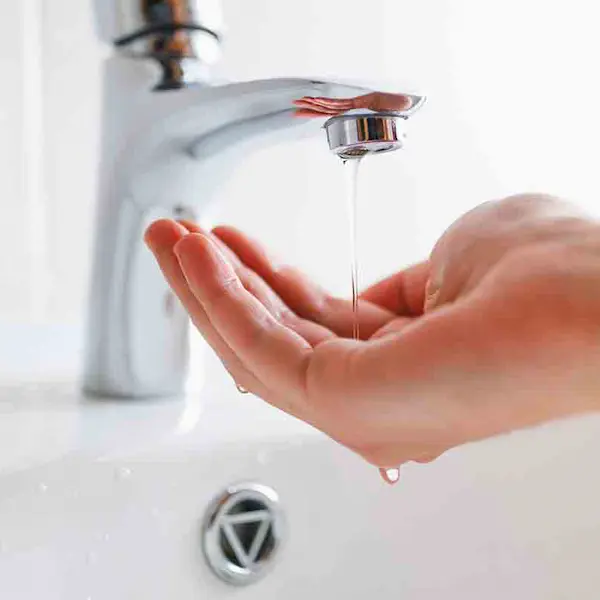
As a general precaution, running the cold tap for at least two minutes before drinking or cooking—particularly after water has been standing overnight or during periods of non-use—can help reduce exposure.
Lead Pipes in Balham, London: History, Health Risks, and Ongoing Challenges
Historically, lead was used widely across England in petrol, paint, and plumbing. Prior to the 1970s, lead pipes were routinely installed to connect properties to the public water main because of their malleability and resistance to corrosion.
In 1969, the installation of lead pipes in new plumbing systems was banned in England. However, many properties built before this time still contain lead pipe, particularly underground supply lines or internal pipework that has never been upgraded. Where these pipes remain, the risk of lead entering drinking water persists.
How Lead Enters Drinking Water
Water supplied by English water companies is treated and delivered lead-free, and there are no lead water mains within the public distribution network. Contamination occurs after the water leaves the main and passes through private plumbing that contains lead.
Lead can enter drinking water through:
- Lead water supply pipes (from the external stop valve into the property)
- Lead communication pipes (from the public main to the property boundary)
- Internal lead pipe within the home
- Historic lead solder used on copper pipes
- Lead-lined water storage tanks, common in older properties
The risk increases when water sits motionless in lead pipe for extended periods, such as overnight or during low usage. The longer the water remains stagnant, the more lead can dissolve into it.
Other Sources of Lead Contamination
Disruption caused by construction, nearby excavation, or renovations can dislodge scale and particles inside lead pipe, leading to short-term spikes in lead levels. This is why flushing taps for a longer period is recommended after such activity.
Even where lead pipes have been replaced, older fittings, solder joints, or storage tanks may still contribute trace amounts of lead to drinking water.
The Role of Water Hardness
Lead dissolves more readily in soft water, which is common in many areas of England. Soft water contains fewer minerals, resulting in less natural coating inside pipes that would otherwise limit lead absorption. This makes properties with old plumbing in soft-water regions particularly vulnerable.
Naturally Occurring Lead in Groundwater
In rare cases, naturally occurring lead can be present in groundwater, particularly in areas with historic mining activity. While this is not a widespread issue across England, it can occur in specific locations with a long legacy of mineral extraction.
Who Is Most at Risk from Lead Exposure?
Infants and children under six
Developmental delays, learning difficulties, reduced IQ
Pregnant women and unborn babies
Low birth weight, premature birth, developmental harm
Adults (long-term exposure)
Kidney disease, high blood pressure, cognitive decline, reproductive effects
Lead is colourless, tasteless, and odourless in water. Because it cannot be detected by sight or smell, testing and replacement of lead pipe are the only reliable ways to confirm safety. If your property was built before 1970 or you suspect lead pipe may be present, arranging testing and replacement without delay is strongly advised.
The Wider Issue: Legacy Plumbing
Although modern water treatment systems are lead-free, thousands of properties across England still contain legacy lead pipe underground or inside the home—often unknown to the homeowner. These hidden pipes remain the most common source of lead contamination in English drinking water today.
Protecting Your Home from Lead Exposure
Water suppliers such as Thames Water and public health bodies recommend:
- Identifying and replacing any lead pipe, particularly in pre-1970 properties
- Running the cold tap for at least two minutes before drinking or cooking
- Testing drinking water where lead is suspected
- Seeking professional advice from specialists such as English Water
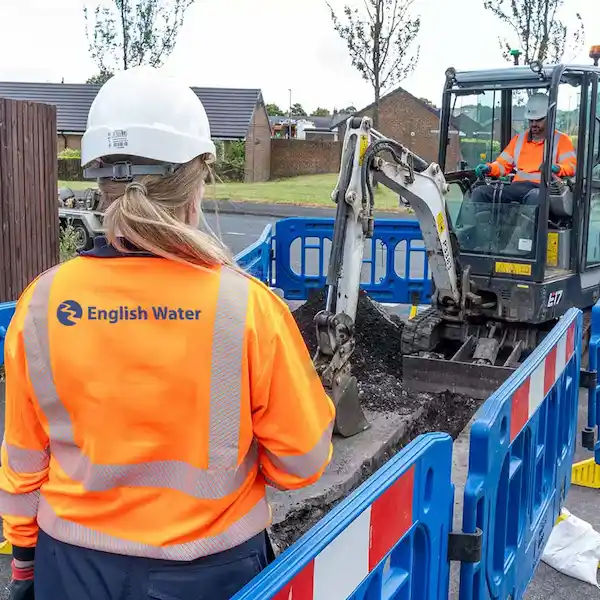
While precautionary steps can reduce risk in the short term, the only permanent solution is full replacement of all lead pipe, both underground and within the property. Awareness is the first step—but lasting protection comes from action.