
Water Leaks
Water Leaks at Home
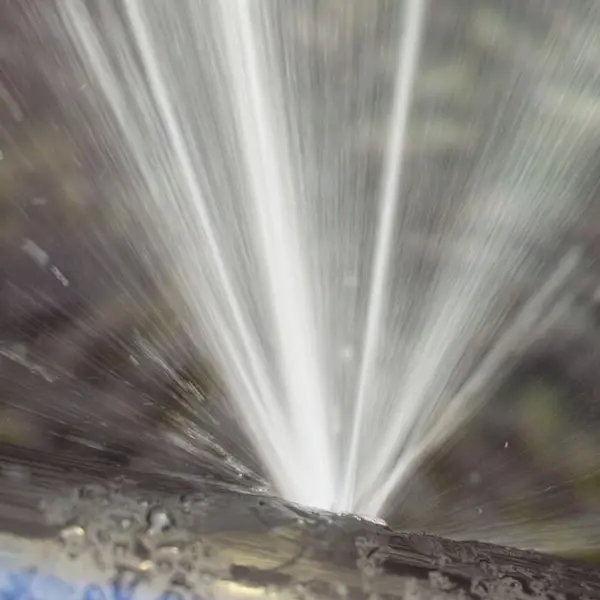 Water leaks are not always immediately visible, but early identification is critical to preventing serious damage. At English Water, we encourage homeowners across England to remain alert by regularly checking water bills, monitoring water pressure, and recognising the early warning signs of leaks. Acting quickly when internal water leakage is suspected can protect your home, reduce repair costs, and help conserve water. Routine maintenance, periodic inspections, and the use of modern detection techniques are all effective ways to prevent extensive water damage and maintain the reliability of your home's plumbing system.
If you experience a water-related issue, it is important to assess how serious it may be. Consider whether the problem could worsen quickly and cause significant damage. Is the issue linked to a single appliance, such as a toilet or washing machine, or does it appear more widespread? In urgent situations, immediate action is required. For more complex or severe problems, contacting a qualified professional is strongly recommended to ensure the issue is resolved safely and correctly.
For minor issues that you feel comfortable addressing, isolating the water supply to the affected appliance may be sufficient while repairs are arranged. In more serious cases, shutting off the main water supply to your home is advisable, as this stops all water flow and helps prevent further damage.
How to Detect a Water Leak at Home
Identifying water leaks within a property can be difficult, particularly when there are no obvious signs. English Water recommends several practical steps to help homeowners across England detect hidden leaks early.
Monitor Your Water Bill
Regularly review your water bills and look for unexplained increases in usage. Spikes that cannot be explained by normal activities—such as guests staying over or increased garden watering—may indicate a leak. Online account access or more frequent billing can make it easier to track changes in consumption.
Check Water Pressure
Unexpected drops in water pressure, particularly when showering or filling a bath, can be a sign of a leak. A simple test involves turning off all taps and appliances, then running one outlet. Unusual pressure behaviour may suggest water is escaping elsewhere in the system.
Observe Boiler or Water Heater Activity
If your boiler or water heater appears to run more frequently than usual, this could indicate a leak within the hot water system. Leaks in these systems, especially underground, can be harder to detect and should be investigated promptly.
Common Places to Look for Water Leaks
If you suspect a leak and do not have specialist detection equipment, there are several areas within the home that should be checked regularly.
Water Tank or Boiler
Inspect valves and connections for signs of dripping or pooling water. Even if no active leak is visible, staining, corrosion, or persistent noises can indicate an underlying issue. Central heating boilers should always be assessed by a qualified specialist.
Toilets
Toilets are a frequent source of hidden leaks. A simple test involves adding food colouring to the cistern and waiting around ten minutes. If coloured water appears in the bowl without flushing, a leak is likely present.
Showerheads
Wear and tear can cause showerheads to leak over time. Reduced pressure, uneven spray patterns, or dripping after use may indicate a problem. Regular cleaning and inspection can help identify issues early.
Household Appliances
Washing machines and dishwashers can loosen pipe connections due to vibration and movement. Periodically checking hoses and fittings can help prevent leaks developing unnoticed.
In addition to internal checks, external areas such as outdoor taps and irrigation systems should also be monitored. Keeping these components in good condition helps protect your property and supports efficient water use.
Common Indicators of Water Leaks
Be alert to the following warning signs, which may indicate a water leak within your home:
- Unexpected increases in water usage or bills
- Damp patches on walls, floors, or ceilings
- Mould or mildew growth
- Water staining or discolouration
- Reduced water pressure
- Continuous sounds of running water
- Persistent musty smells
- Pooling water or unexplained puddles
- Cracks in walls or foundations
- High indoor humidity levels
How to Check for Water Leaks Using Your Water Meter (DIY)
If your property is fitted with a water meter, you can carry out a simple test to help confirm whether a leak is present.
Stop all water use
Ensure all taps, appliances, and water-using fixtures are turned off.
Locate your water meter
Meters are usually found near the front of the property, often in a ground-level chamber.
Record the meter reading
Make a note of the current reading before starting the test.
Wait
Avoid using any water for several hours or overnight for best accuracy.
Check the meter again
If the reading has changed despite no water use, a leak is likely.
Isolate the internal supply
Turn off the internal stop valve and check the meter again. If it continues to move, the leak may be on the underground water supply pipe.
Contact a professional
If an underground leak is suspected, professional assistance is recommended.
Need Help with Water Leak Detection or Repairs?
English Water provides professional water leak detection and water supply pipe repair services across England. Our experienced teams use advanced technology to locate even concealed leaks and carry out effective repairs, including underground water supply pipe issues.
English Water offers free quotations for water leak detection and repair services. To arrange a consultation, call 0800 316 7322 or email hello@englishwater.co.uk to discuss how we can help protect your home and water supply.