
Replacing Lead Pipes
Lead Pipe Replacement in England: Responsibilities, Challenges, and Best Practice
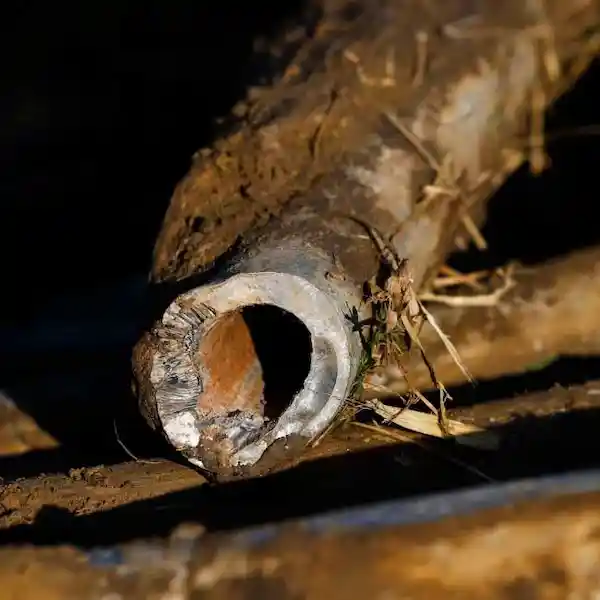 cross England, a significant number of older properties—particularly those constructed before 1970—continue to rely on legacy lead pipe to convey drinking water from the public main into homes. The complete replacement of this pipework is the only permanent method of removing the risk of lead exposure from domestic water supplies. However, achieving full replacement can be complicated by split pipe ownership and a range of practical and financial challenges.
Why Lead Pipes Remain a Serious Issue
Lead was historically used in plumbing because it was easy to shape and install. Modern research has since confirmed that even low-level, long-term exposure to lead can have serious health consequences. When drinking water comes into contact with lead pipe—particularly after sitting unused for several hours—lead can dissolve into the water supply.
What to Do If Lead Pipes Are Identified
Replace the Lead Pipe
Arrange for a qualified contractor to remove and replace any identified lead pipe using approved materials such as copper or polyethylene.
Notify Your Water Supplier
If the lead pipe includes the communication pipe (the section between the public main and the property boundary), the water supplier will normally replace this section at no cost once the private section has been renewed.
Explore Financial Support
Some local authorities offer grants or assistance schemes to help with the cost of private lead pipe replacement. Your local Environmental Health Department can advise on available support.
Ongoing Testing
Following replacement, periodic water testing is recommended to confirm that lead levels remain within safe limits.
Taking these steps helps protect household health and ensures compliance with UK regulations governing lead in drinking water.
England's Direction of Travel
In response to increasing evidence of lead's long-term health impacts, both government bodies and water suppliers are placing greater emphasis on awareness, testing, and infrastructure improvement.
In the private rented sector, updates to the Repairing Standard mean that from March 2024, landlords must ensure that drinking water systems in rented properties are free from lead pipe.
Homeowners and prospective buyers are also encouraged to check whether lead pipe is present and, where necessary, arrange professional inspection or testing.
Although often hidden underground or behind walls, lead pipes remain a real and ongoing health risk. While chemical treatments can reduce lead leaching, they do not remove the source.
The only definitive solution is full replacement of all lead pipe with modern, approved materials.
Additional Risk-Reduction Measures
Until replacement is complete, the following steps can help reduce exposure:
- Never use hot tap water for drinking or cooking
- Clean tap aerators regularly, as they can trap lead particles
- Avoid using untested tap water for baby formula
- Encourage neighbours to take action, particularly where supply pipes are shared
Mitigation Is Not a Permanent Solution
Corrosion control, flushing, and filtration can reduce lead levels temporarily, but they do not eliminate the lead pipe itself. These measures should only be viewed as interim precautions.
Only full lead pipe replacement—from the public main to the kitchen tap—provides guaranteed, long-term protection.
Partial Lead Pipe Replacement: A Known Risk
Partial replacement occurs when only one section of a lead pipe is renewed—either the public-side communication pipe or the private supply pipe—while the remaining section is left in place.
Important Warning
Partial replacement is not recommended. Disturbing old lead pipe can dislodge scale and particles that have built up internally, potentially causing a temporary increase in lead levels. These particles may remain suspended in the water system for days or even weeks.
Because the source of contamination remains, partial replacement can create a false sense of security if follow-up testing is not carried out. UK best practice strongly advises full replacement of both public and private sections together.
Barriers to Coordinated Lead Pipe Replacement
Several factors can complicate full replacement:
Cost
Replacing the private section can cost between £1,500 and £12,000, depending on pipe length, access, and surface reinstatement.
Shared Ownership
In flats, tenements, and terraced housing, supply pipes may be shared, requiring cooperation between multiple owners.
Landlord Resistance
Some landlords have historically delayed replacement, but from March 2024 it is unlawful to rent a property in England with lead pipes supplying drinking water.
Access Concerns
Some homeowners are reluctant to allow works under driveways or within properties due to fears of disruption, occasionally delaying wider replacement schemes.
To address these barriers, some councils now offer grants or low-interest loans. In most cases, the long-term health and property benefits far outweigh the temporary inconvenience.
After Replacement: Flushing and Safety
Once new pipework is installed, the internal plumbing system must be flushed to remove any residual debris:
- Run all cold taps for at least 30 minutes
- Remove and clean tap aerators
- Flush toilets, showers, and appliances
- Avoid kettles, ice makers, and filters during flushing
Where work has been carried out near a water meter, additional flushing may be required. Always confirm post-replacement safety with English Water or your water supplier.
Replace—Do Not Delay
Replacing lead pipes is not simply an upgrade; it is a public health necessity. While orthophosphate dosing and other treatments reduce risk, they do not remove the underlying hazard.
Only full replacement, coordinated between homeowners, landlords, and English Water, delivers lasting protection.
If you suspect lead pipe is present, act promptly. For homeowners, landlords, and buyers alike, replacement is one of the most important investments you can make in long-term safety.
Replacing Your Lead Pipe: Key Requirements
Legal Obligations
All new water supply pipes must comply with the Water Supply (Water Fittings) Regulations 1999. Property owners, occupiers, and installers must:
- Use an approved contractor (WaterSafe, WaterSeal, WaterTrust, or WIAPS)
- Obtain a certificate of compliance after completion
Technical Standards
The new supply pipe must:
- Run from the boundary stop tap to the internal stop tap
- Be buried between 750mm and 1350mm
- Be ducted and insulated at entry points
- Be surrounded by sand, gravel, or friable soil for the first 250mm
- Be left exposed at both ends for inspection where required
Special Circumstances
- Street stop taps may require a permit to excavate
- Shared supplies require all affected properties to replace lead sections
- Where compliance is difficult, your water supplier can advise on alternatives
Shared Supply Pipes: What You Must Do
If your property shares a supply pipe, you must either:
- Coordinate a joint lead pipe replacement with neighbouring properties, or
- Request a separate water connection
English Water can assess shared supply arrangements and help identify practical and financial options.
Ready to Replace Your Lead Pipe?
- Inspect your property for signs of lead pipe
- Contact English Water
- Replace the entire private supply pipe, including internal sections
- Notify your water supplier for public-side replacement
- Flush the system thoroughly after completion
Taking these steps ensures safe, compliant, and lead-free drinking water for the long term.