
Low Water Pressure
Understanding Low Water Pressure Issues
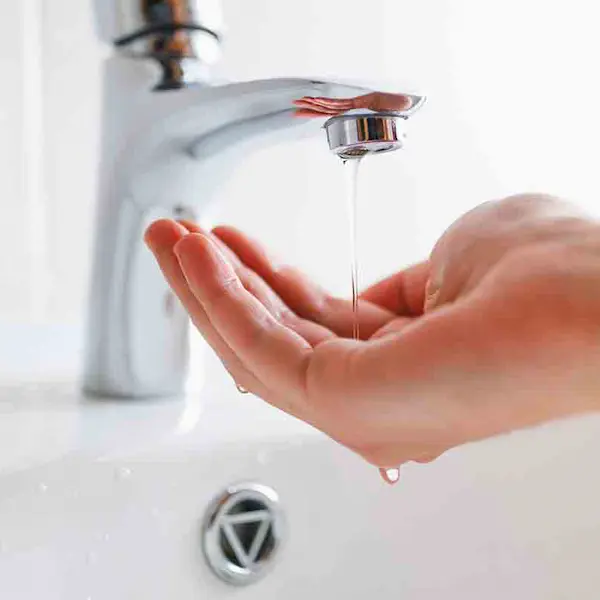 Low water pressure can disrupt everyday tasks, from showering to washing dishes. At English Water, we recognise how frustrating poor water flow can be and provide practical guidance to help you identify the cause and restore normal pressure.
Common Causes of Low Water Pressure
A number of issues can lead to reduced water pressure within a property:
Pipe Blockages and Corrosion
Over time, mineral deposits, debris, and sediment can build up inside pipes, restricting the flow of water. In older properties, internal corrosion may have reduced the effective diameter of pipework, resulting in lower pressure throughout the home.
Partially Closed Valves
In some cases, low pressure is caused by a valve that is not fully open. The main stopcock or individual isolation valves should be checked to ensure they are fully open and functioning correctly.
Leaking Pipes or Fixtures
Undetected leaks can divert water away from outlets, leading to noticeable drops in pressure. Even small leaks can have a cumulative effect on flow and water usage.
Issues with the Mains Supply
Occasionally, reduced pressure originates from the public water supply. Maintenance work, faults, or high demand during peak periods can temporarily affect pressure in certain areas.
Practical Steps to Improve Water Pressure
1. Check Isolation Valves
Before carrying out any further checks, confirm that all relevant valves are fully open:
- Locate the main stopcock, usually under the kitchen sink or outside the property
- Turn it fully to the open position
- Check isolation valves near boilers, water tanks, or appliances
- If accessible, confirm that the water company's external valve is open
2. Clean Tap Aerators and Filters
Aerators and filters can become blocked with limescale and debris:
- Remove the aerator from the tap
- Soak it in white vinegar for around 30 minutes
- Rinse thoroughly and refit
- Test the water pressure
This simple task often resolves pressure problems affecting individual taps.
3. Inspect for Leaks
A methodical inspection may reveal hidden leaks:
- Check under sinks and around exposed pipework for dampness or staining
- Look for unexplained wet patches on walls or ceilings
- Monitor your water meter—movement when no water is in use may indicate a leak
- Listen for unusual sounds such as dripping or hissing
If a leak is suspected, professional leak detection is recommended.
4. Flush the Pipework
Sediment accumulation can sometimes be cleared by flushing the system:
- Turn off the water supply at the main stopcock
- Open all taps until water stops flowing
- Close the taps
- Turn the water supply back on
- Open taps one at a time, starting at the lowest point in the property
This process can help remove loose debris from the system.
5. Ongoing Maintenance and Inspections
Monthly checks may include:
- Cleaning aerators
- Inspecting visible pipework
- Ensuring valves remain fully open
Annual professional inspections can:
- Assess the condition of pipework
- Check pressure regulators
- Identify early signs of wear or corrosion
Regular maintenance helps preserve water pressure, extends the lifespan of plumbing systems, and reduces the risk of emergency repairs.
When to Contact English Water
While some issues can be resolved with basic checks, professional support is recommended in the following situations:
Persistent Low Pressure
If pressure does not improve after carrying out the steps above, there may be an underlying issue with internal pipework, pressure regulation, or the mains supply.
Sudden Loss of Water
A sudden or severe drop in flow may indicate:
- A significant leak
- A fault on the public supply
- A serious internal plumbing failure
Visible Leaks or Water Damage
Any signs of active leaks, dampness, or water staining require prompt professional attention to prevent further damage.
Complex Plumbing Faults
Problems involving pressure regulators, internal valves, or concealed pipework should be handled by experienced engineers with specialist equipment.
How English Water Can Help
English Water provides comprehensive solutions for water pressure issues, including:
Leak Detection
Advanced detection methods are used to locate concealed leaks without unnecessary disruption.
Pipe Repair and Replacement
Where corroded or damaged pipes are affecting pressure, modern replacement solutions are available.
Emergency Water Services
A 24-hour response service is available for sudden pressure loss or major leaks.
Frequently Asked Questions
What is normal household water pressure?
Typical domestic water pressure is between 1 and 3 bar (approximately 14–43 psi). Pressure below 1 bar may cause noticeable flow issues.
Can clogged pipes be fixed without a professional?
Minor blockages in aerators can often be resolved at home. Restrictions deeper within the system usually require professional cleaning or replacement.
What should I do if water pressure drops suddenly?
Check whether the issue affects all taps or only specific outlets, then contact English Water to rule out supply issues or identify leaks.
Get in Touch with English Water
If you are experiencing low water pressure or require professional support with your plumbing system, English Water is here to help. Our experienced engineers can diagnose the issue and provide tailored solutions to restore reliable water flow throughout your home.