
Lead Pipe Replacement Scheme
Lead Pipe Replacement Scheme England
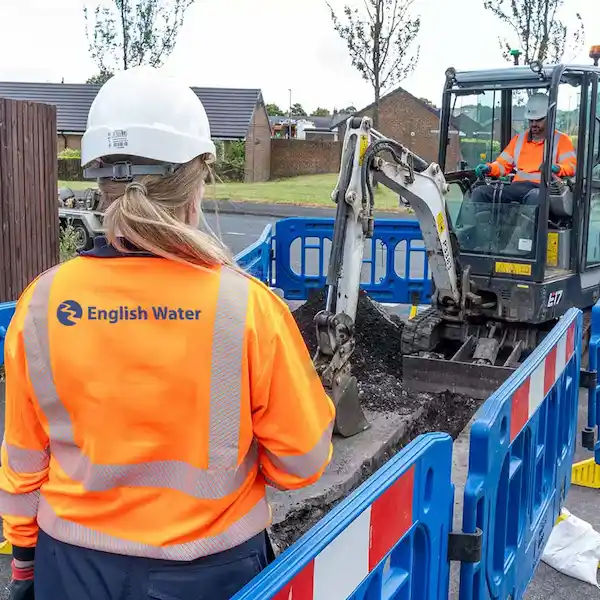 Access to safe, clean drinking water is essential for every household. Across England, a significant number of older properties still rely on legacy lead pipework, which presents a recognised public health risk due to potential lead contamination. The Lead Pipe Replacement Scheme in England exists to address this issue by improving water quality, reducing exposure to lead, and protecting long-term health. This guide explains how the scheme works, why it matters, and how homeowners can take part.
What Is the Lead Pipe Replacement Scheme?
The Lead Pipe Replacement Scheme in England is designed to support the removal of outdated lead pipes and their replacement with modern, approved materials. Lead pipes were widely installed in properties built before 1970. Over time, lead can dissolve into drinking water—particularly where water is soft or slightly acidic—creating a risk to health.
The scheme encourages property owners to upgrade their plumbing by replacing lead pipe with materials such as copper or plastic that meet current water safety standards.
Replacing Lead Pipes in England
Many older homes in England continue to receive drinking water through private lead pipe. Replacing these pipes is the only permanent way to eliminate the risk of lead entering the water supply. Although water suppliers distribute treated water that leaves treatment works virtually lead-free, contamination can still occur when water passes through private lead pipe within or beneath a property.
Why Replace Your Lead Water Supply Pipe?
Replacing lead pipes is strongly recommended for several key reasons:
1. Health Protection
Lead exposure is particularly harmful to young children and pregnant women. Long-term exposure has been linked to developmental issues, kidney damage, and nervous system disorders.
2. Improved Water Quality
Modern pipe materials remove the risk of lead contamination, delivering safer, cleaner drinking water.
3. Regulatory Compliance
The Water Supply (Water Quality) Regulations 2016 set strict limits on lead content. Replacing lead pipe ensures compliance with these legal standards.
Testing and Regulation
- The current UK legal limit for lead in drinking water is 10 micrograms per litre (µg/L)
- The European Union will reduce this limit to 5 µg/L by 2036
- The World Health Organization advises that lead exposure should be as close to zero as possible
Lead in Schools and Public Buildings
Schools, nurseries, and older public buildings may still contain lead pipe. Facility managers should ensure testing is carried out, particularly where children are present.
What If You Rent Your Home?
- Ask your landlord to inspect the water supply pipe
- Request replacement if lead pipe is identified
- Provide water test results to support your request
Landlords are legally required to ensure drinking water systems are free from lead under current housing standards.
What Water Suppliers Are Doing
Water suppliers are actively working to reduce lead exposure by:
- Replacing the public-side lead communication pipe free of charge once the private pipe is replaced
- Monitoring public buildings
- Treating water with orthophosphate to reduce lead leaching
- Beginning communication pipe replacement above 5 µg/L from April 2025
How the Lead Pipe Replacement Scheme Works
Under the scheme, homeowners are encouraged to take the following steps:
1. Identify Lead Water Supply Pipe
Properties built before 1970 are most likely to have lead pipe. Common signs include dull grey pipes that are soft and reveal shiny metal when scratched.
2. Consult a Qualified Contractor
A certified specialist such as English Water can assess your property and confirm whether lead pipe is present.
3. Replace the Private Lead Water Supply Pipe
The private section is replaced with approved modern materials.
4. Replace the Lead Communication Pipe
Once the private pipe is renewed, the water supplier replaces the public-side communication pipe at no cost.
Benefits of Replacing Lead Pipes
Replacing lead pipes provides multiple long-term benefits:
- Health protection for occupants
- Increased property value due to modern plumbing
- Improved water flow and pressure
- Reduced risk of leaks and future repairs
How to Identify Lead Pipe in Your Home
You may have lead pipe if:
- The property was built before 1970
- The pipe is dull grey, soft, and scratches easily
- Scratching reveals a bright silver finish
Your water supplier can arrange free testing and visual confirmation.
Next Steps If Lead Pipe Is Found
- Replace all identified lead pipe with copper or plastic
- Notify your water supplier to trigger public-side replacement
- Explore local council grants or assistance schemes
- Arrange follow-up water testing after replacement
England's Path Forward
Government bodies and water suppliers are increasing focus on awareness, testing, and infrastructure upgrades as evidence of lead's health impact grows. From March 2024, landlords must ensure rental properties are free from lead pipe under the Repairing Standard. Homeowners and buyers are also encouraged to check and replace lead pipe where found.
Additional Mitigation Advice
- Never use hot tap water for drinking or cooking
- Clean tap aerators regularly
- Avoid using unfiltered tap water for baby formula
- Encourage neighbours to coordinate replacement where supplies are shared
Mitigation Is Temporary
Flushing, corrosion control, and filters can reduce lead exposure, but these are temporary measures. Only complete replacement of the lead pipe—from the public main to the kitchen tap—offers a permanent solution.
Partial Replacement: A Known Risk
Replacing only part of a lead pipe can disturb accumulated lead scale, sometimes increasing lead levels. Full replacement of both public and private sections is the safest and recommended approach.
Practical Challenges
- Cost: Private replacement may range from £1,500 to £12,000
- Shared ownership: Tenements and flats require coordination
- Landlord compliance: Now legally mandatory
- Access constraints: Can delay works
After Replacement: Safety Steps
- Run all cold taps for at least 30 minutes
- Clean tap aerators
- Flush appliances and toilets
- Avoid kettles and filters during initial flushing
Replace, Do Not Delay
Lead pipe replacement is essential for public health. While mitigation helps in the short term, only coordinated full replacement delivers complete protection.
Your Water Supplier's Commitment
Water suppliers do not use lead in treatment or mains. To manage legacy risks, they:
- Dose water with orthophosphate
- Offer free water testing
- Replace lead communication pipes once private pipes are renewed
Why Choose English Water for Lead Pipe Replacement?
English Water delivers professional lead pipe replacement services across England, offering:
- Experienced engineers with specialist knowledge
- Trenchless installation methods to minimise disruption
- Free quotations with transparent pricing
- Guaranteed compliance with UK Water Regulations
How to Get Started
If you suspect a lead water supply pipe, do not delay. Contact English Water for an assessment and guidance through the replacement process. From inspection to certification, we ensure your water supply is safe, compliant, and future-proof.
The Lead Pipe Replacement Scheme is a critical step toward safer drinking water in England. Acting now protects health, adds value to your property, and ensures regulatory compliance. English Water is ready to support you at every stage—contact us today to move to lead-free water.